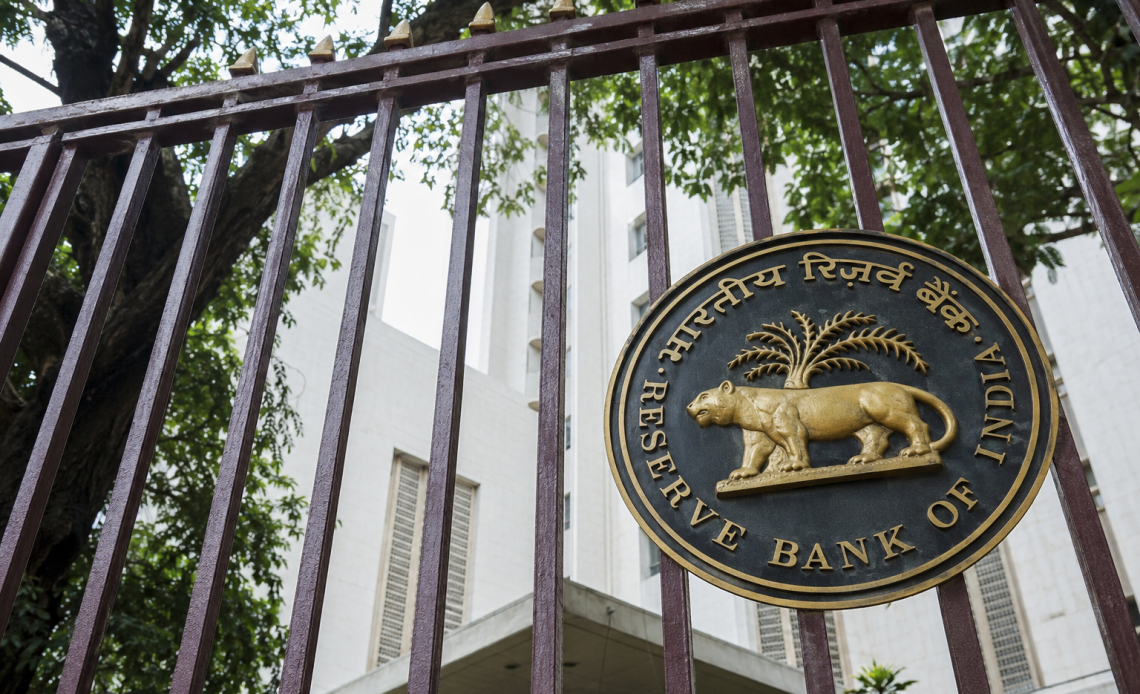
The Reserve Bank of India’s three-year dollar/rupee buy-sell swap auction received strong investor demand on Tuesday, with total bids reaching nearly $10 billion, almost double the size of the auction.
The central bank accepted 141 bids in the foreign exchange swap auction, while receiving a total of 254 bids worth $9.8 billion.
The premium cut-off for the auction was fixed at 9.10 rupees.
The move comes as the Reserve Bank of India continues to defend the weakening rupee through dollar sales from its foreign exchange reserves.
Such interventions can absorb rupee liquidity from the banking system and potentially push interest rates higher.
RBI moves to support liquidity
Through the settlement of the first leg of the swap, scheduled for Friday, the Reserve Bank of India will inject rupee liquidity back into the banking system.
The transaction will be reversed after three years.
The swap is being viewed as part of the central bank’s effort to manage liquidity conditions while continuing interventions in the currency market.
India’s banking system liquidity surplus has averaged below 2 trillion rupees ($20.93 billion) so far in May.
This remains less than 0.8% of total deposits, indicating relatively tight liquidity conditions in the banking sector.
The RBI’s dollar sales aimed at stabilising the currency have contributed to the liquidity squeeze, prompting the central bank to use instruments such as FX swaps to add rupee liquidity back into the system.
Rupee recovers after record lows
The Indian rupee has faced sustained pressure in recent sessions and touched consecutive record lows, including an all-time low of 96.96 per dollar last week.
However, the currency later recovered to around 95.50 against the dollar.
The recovery was supported by central bank interventions and a decline in oil prices.
Market participants have closely monitored the RBI’s actions as volatility in the currency market intensified.
The central bank’s intervention strategy has focused on containing excessive weakness in the rupee while balancing liquidity conditions in the domestic banking system.
Bond market signals rate hike expectations
Meanwhile, India’s bond yield curve flattened as short-term rates began pricing in possible interest rate hikes, potentially as early as June.
Long-term bond yields, however, were yet to fully reflect those expectations.
The shift in the yield curve suggested that traders were adjusting positions amid expectations of tighter monetary conditions and continued pressure on liquidity.
The auction results also impacted the forward currency market.
Far-tenor dollar-rupee forward premiums declined after the results were announced.
The three-year forward premium was last quoted at 9 rupees, down from around 9.25 rupees before the announcement of the auction outcome.
The decline in forward premiums reflected market reaction to the strong demand seen in the RBI’s swap operation and evolving expectations around liquidity and interest rates.
The post Indian Central Bank’s $5 billion FX swap draws strong demand appeared first on Invezz